
Arrest Warrants in Gibson County
An arrest warrant in Gibson County authorizes an arrest only after a sworn complaint and a probable-cause review. Tennessee Rule 4 governs arrest warrants and criminal summonses statewide. The General Sessions page for the county expressly lists criminal-warrant issuance among its duties. Circuit Court, in turn, is the felony trial route once a case is bound over or indicted. A signed order always belongs to a court file. The Sheriff or a city officer may serve it, and the clerk keeps the record, but the paperwork's charge and jurisdiction tell you which court actually holds the case. The county publishes no warrant FAQ naming a single magistrate or one set assignment process, so the clerk is the reliable answer on where a file sits.
Gibson County Warrant Authority
Gibson County describes General Sessions as the first resort for many local criminal matters. Its official page lists criminal and search warrants, traffic court, and bond setting, which points to a local issuance route. What that page does not offer is a searchable list or any field-by-field application log. For a later felony file, the Circuit Clerk keeps the Circuit Court record. A city court can keep ordinance and traffic matters of its own. Match the court to the paper in hand rather than assuming every county-level question belongs to the Sheriff. See the General Sessions court description for its listed warrant role.
What a Gibson County Arrest Warrant Contains
No office publishes a blank Gibson County warrant form. Tennessee's initial-appearance form still shows what a court record can hold: case number, process type, failure to appear, bond, judge, and date. A real public record may leave out sealed or protected details. Ask the clerk which fields can be released for the case at hand. The Gibson County Circuit Court page identifies the local felony court route and its clerk. It is a court-contact page, not a warrant search, but it shows where the Circuit record lives.

The Circuit source helps identify the court that may hold a felony file.
| Case number | Case or docket number, use the number shown on the notice. |
|---|---|
| Named party | The person identified in the public process, subject to privacy limits. |
| Charge category | The offense or case type tied to the order. |
| Issuing court | General Sessions, Circuit, or the named municipal court. |
| Bond and date | Any set condition and the date recorded by the court. |
| Service return | The executing officer's report, which may not show later case action. |
Gibson County Sealed Affidavits
A complaint or affidavit often backs an arrest-warrant request in Gibson County, yet the affidavit itself is not automatically public. A court can seal process or restrict investigative details, victim information, or identifying data. No public county warrant file shows a standard affidavit layout. Tennessee Rule 34 governs court-record access with exceptions, and federal records carry their own sealing rules. When an office withholds a record, ask for the stated legal basis rather than turning to a private search site. The Tennessee Rule 34 page lays out the court-access starting point.
How Gibson County Arrest Warrants Are Served
The Gibson County Sheriff and the city police departments are the local law-enforcement contacts. A deputy, a municipal officer, or another authorized officer may execute process depending on the court and the order. The county has no constable warrant channel and no public table matching departments to courts. Service and the court file are related but separate things. The agency that serves a warrant may report a return, while the issuing court records appearances, bond, or any recall later on. Gibson County publishes no bond window or schedule. Call the issuing clerk or your counsel before you head to a facility.
Gibson County Service and Files
The Gibson County Sheriff's Office sits at the Correctional Complex, 401 N. College Street, Trenton, with a listed telephone of (731) 855-1121. The office is the published county contact for service routing, not a searchable public list of warrants. A criminal case may carry more records at General Sessions or Circuit Court, depending on the charge and stage. The General Sessions and Circuit pages route readers to court records at the Justice Building, and similar county names do not mean the offices keep the same file. A service question can go to the Sheriff; a recall or case date belongs with the issuing court. Ask the clerk whether a return has been filed, and ask the serving agency whether it can release a service update. Neither office answers for the other. Use the Sheriff contact page for the current public office route in Gibson County.
Arrest Warrant vs Summons vs Bench Warrant
A criminal summons orders an appearance rather than an arrest. In Gibson County, a capias can follow a failure to answer that summons under Rule 9. A bench warrant or attachment usually marks a missed court obligation, while an arrest warrant follows probable-cause review. The bench-warrant page covers that court-response path.
| Feature | Arrest Warrant | Summons | Bench Warrant |
|---|---|---|---|
| What it orders | Arrest | Appear in court | Respond to a missed obligation |
| Basis | Complaint and probable cause | Charging process under court rules | Failure to appear or comply |
| Issuer | Authorized judge or magistrate | Court process under the rules | Judge handling the existing case |
| Response | Contact counsel and issuing court | Appear on the stated date | Ask about appearance or court motion |
Federal Warrants Near Gibson County
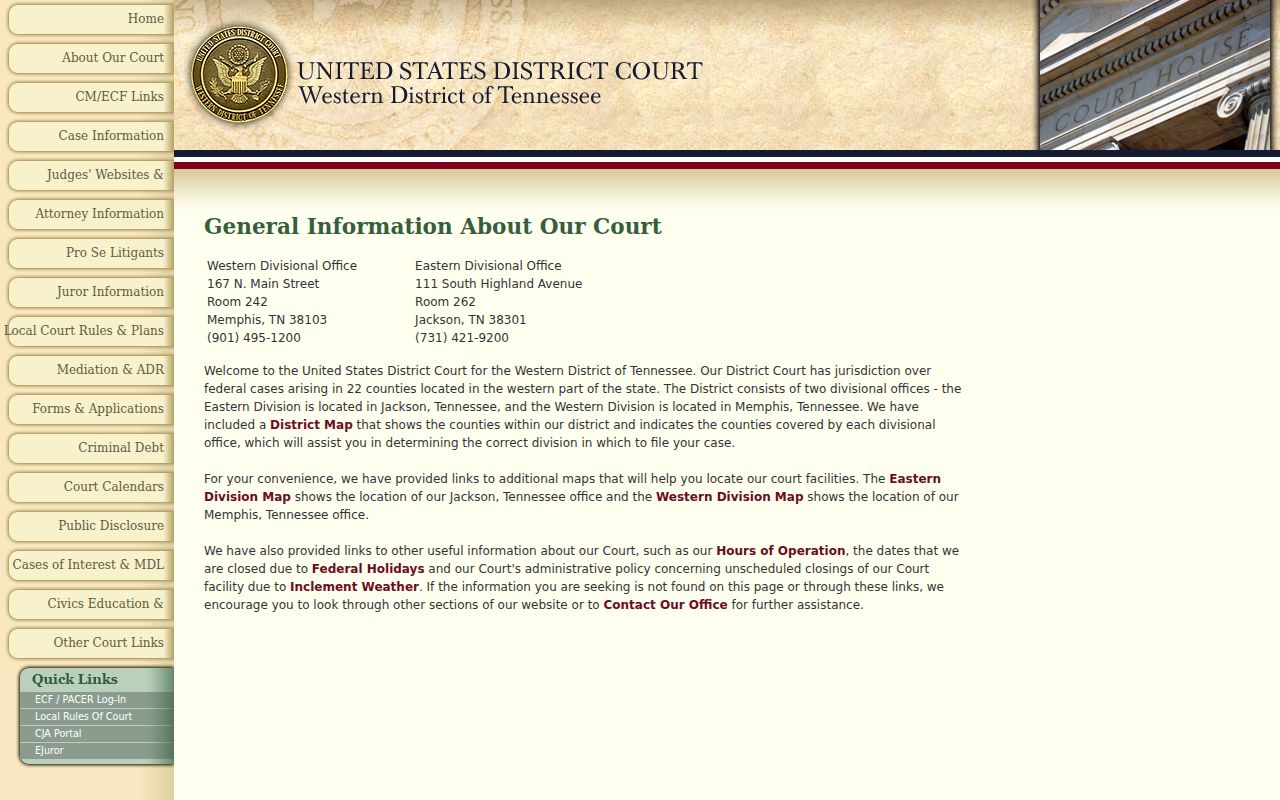
Federal matters skip the Gibson County clerk system. They belong to the Western District of Tennessee. That court splits into a Jackson Eastern Division and a Memphis Western Division. PACER is the public docket route, though sealed warrants can stay off it. A blank result proves nothing about status. U.S. Marshals task-force material names the Gibson County Sheriff's Office as a partner, which adds federal enforcement context but not a local warrant roster. The Western District court information page lays out the district's divisions and contacts.
That docket work runs outside Gibson County. For it, the PACER service is the official entry point.
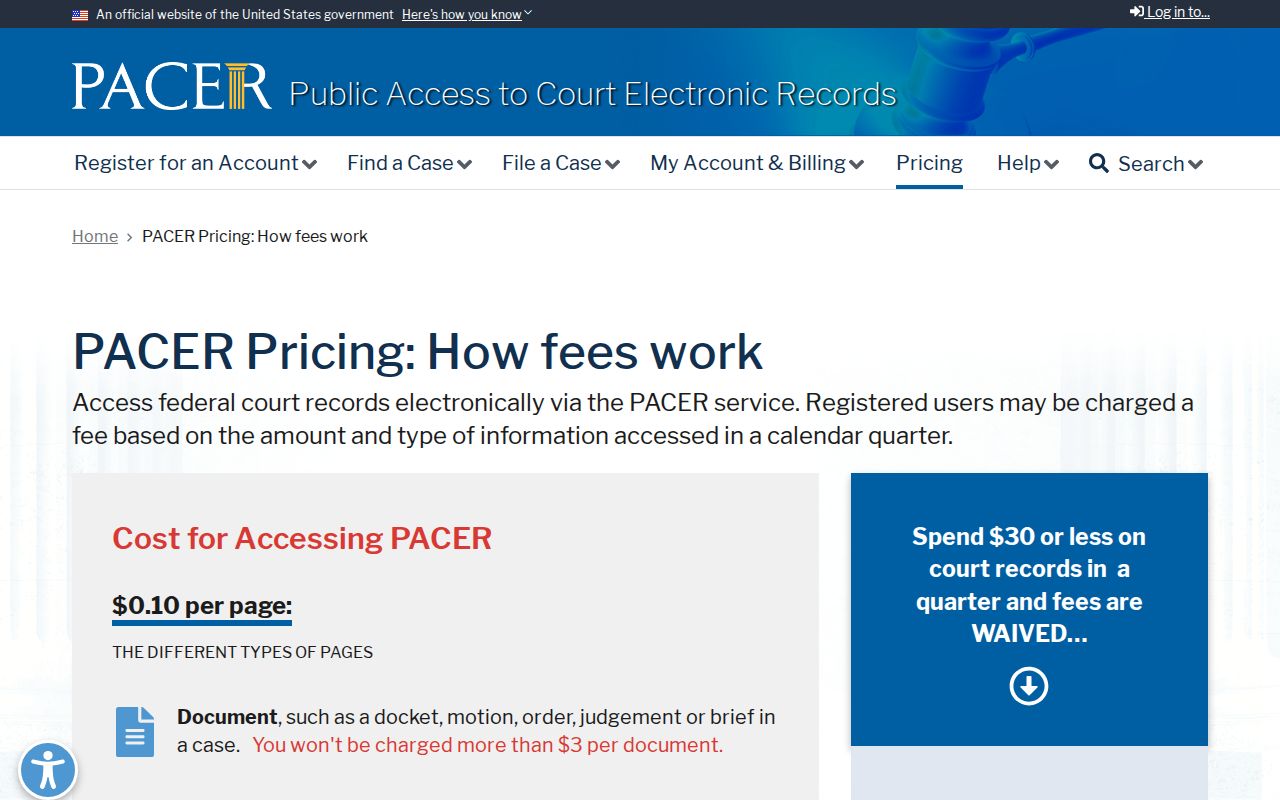
Search fees and sealed-record rules apply to federal files.
What to Do If There's a Warrant for You
TORIS, FOIL, and stale docket entries will not clear a Gibson County warrant. Treat them as leads only. A lawyer can seek current confirmation from the court. Ask counsel whether a motion or a planned appearance fits, and what bond or release details are current. Gibson County publishes no countywide surrender procedure or bond schedule. After any court action, request the written order or release record. If a failure to appear cost you your license, follow the court's release instructions first, then confirm the state submission with Tennessee Safety. Posting bond addresses custody, not the case itself.
Important: Get legal advice before appearing in person. Do not assume the Sheriff can recall a court order or that a bond closes the case.
Gibson County Bond and Release
General Sessions does set bonds in Gibson County. No county schedule or Sheriff bond-window hours are published. A city court's fine-payment instructions say nothing about how an arrest warrant bond gets paid. Ask the office for the amount, type, location, accepted method, and the document issued after payment.
- Confirm the issuing court and whether bond applies.
- Ask where and when payment is accepted and what ID is needed.
- Get the release or appearance notice in writing.
- Later confirm the court file reflects the action.
Gibson County bond is not case closure. Posting it may win release while the charge stays open.